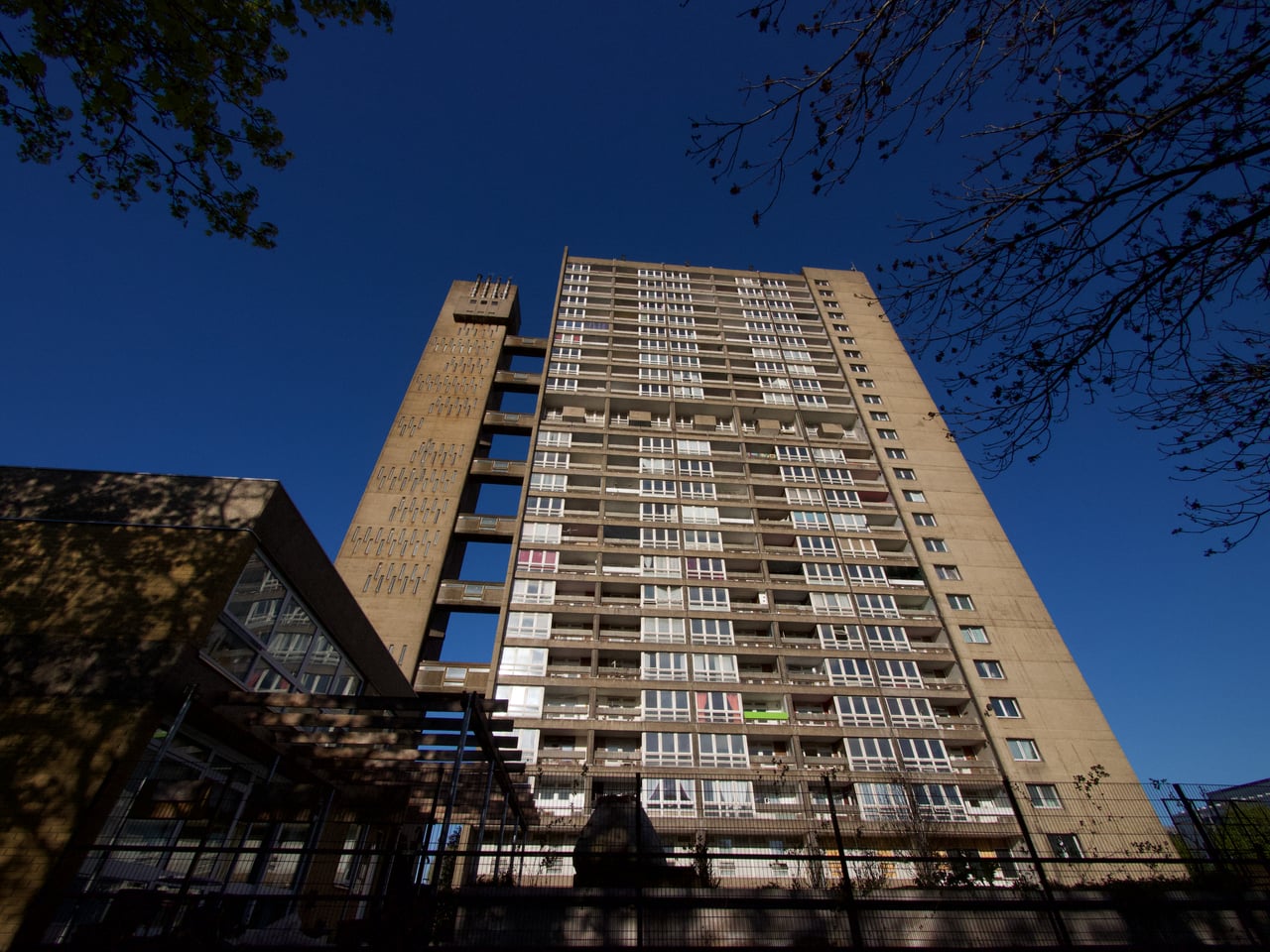
Balfron Tower
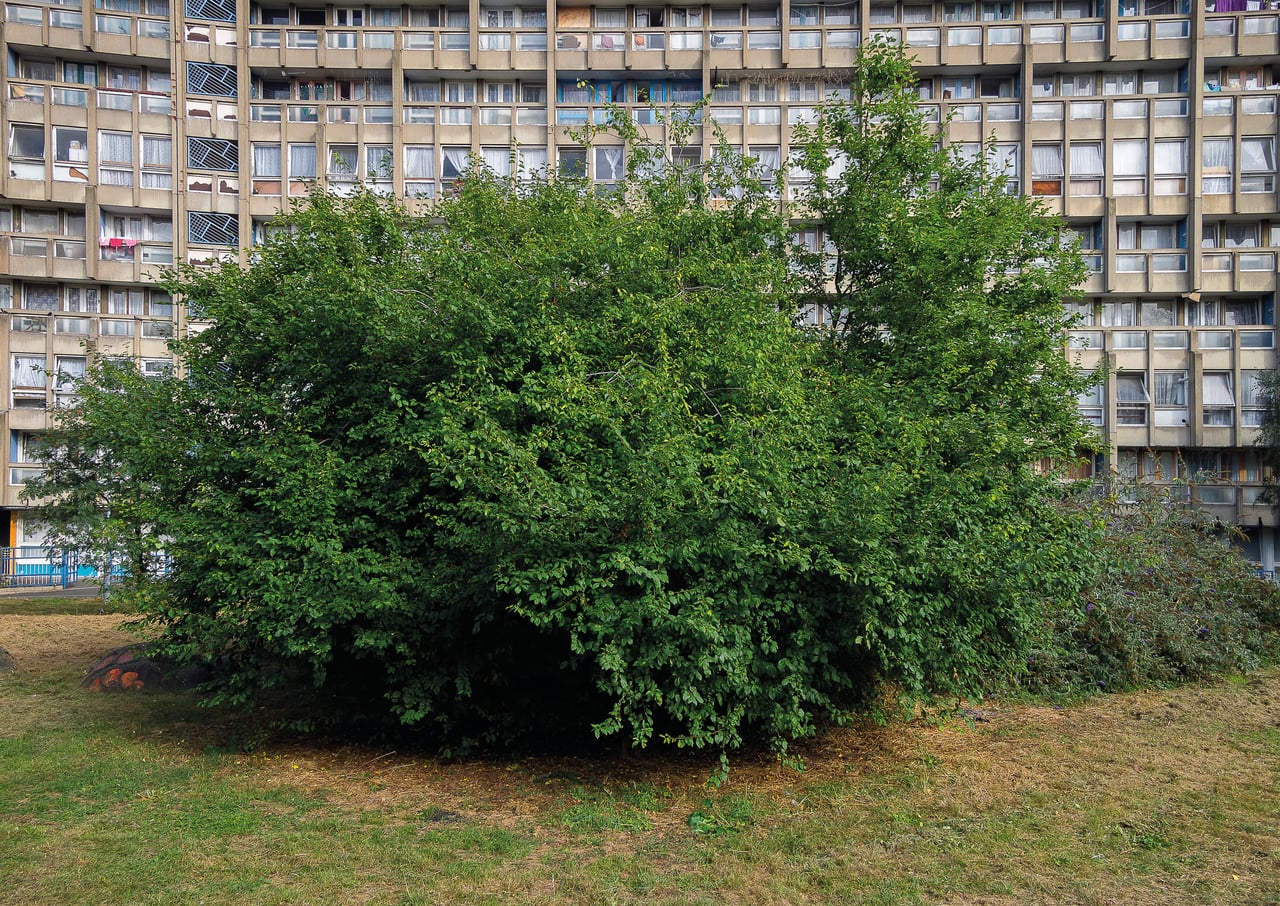
Balfron Tower lost its social tenants to a refurbishment for sale. The Land Registry records no sale of a refurbished flat, and the tower is now let privately.
read: Balfron Tower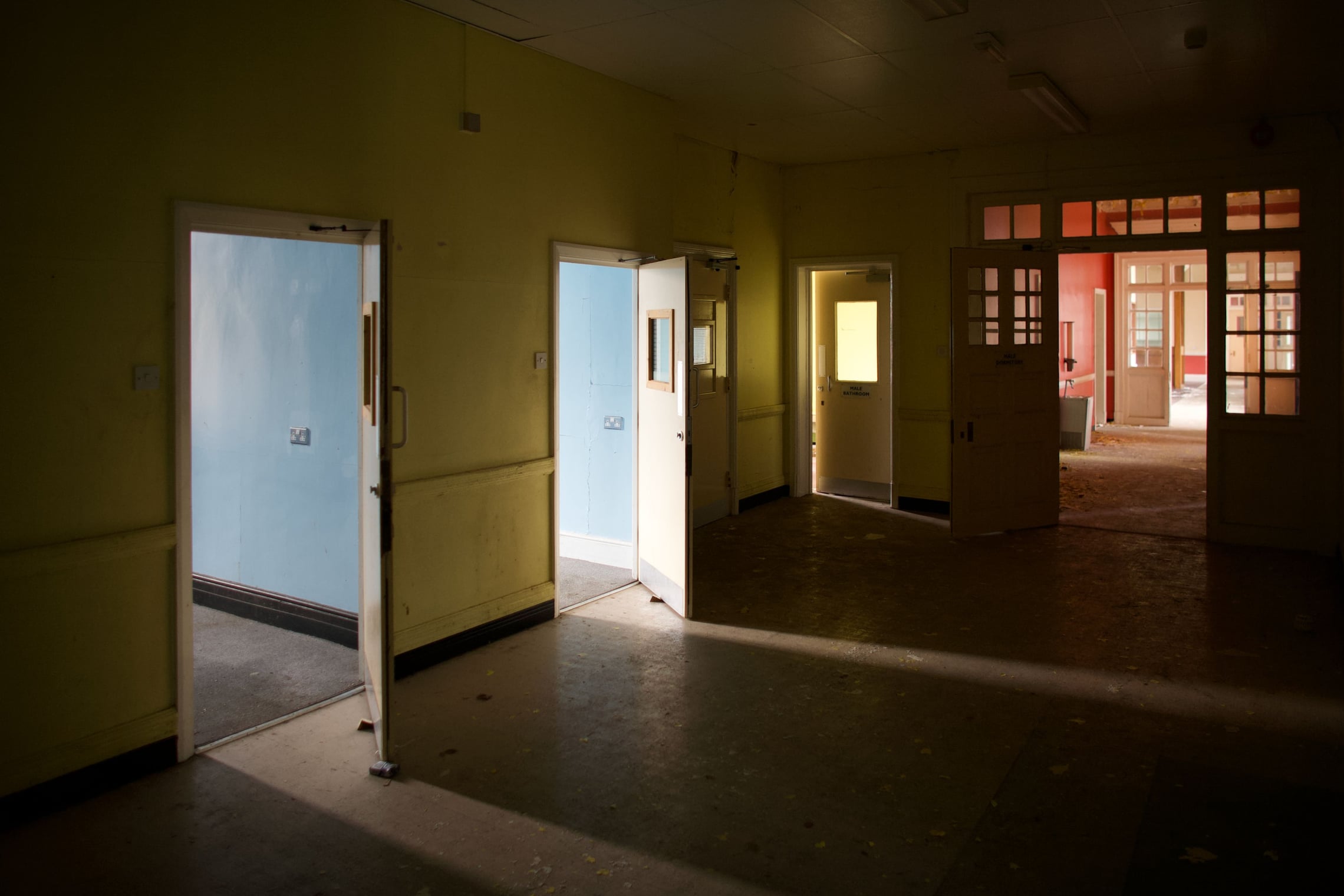
I photograph what became of places built for a better life.
Photographs and records, side by side.
Urban Exposure is my urban photography and research. I photograph these places and use records to establish what happened to them, who made the decisions and what followed. The photographs show what was found; the records show what happened.
read about Urban ExposureFour projects so far: two former asylums, near Leeds and at Epsom, and two council estates in Poplar. More will follow.
Balfron Tower lost its social tenants to a refurbishment for sale. The Land Registry records no sale of a refurbished flat, and the tower is now let privately.
read: Balfron TowerAlison and Peter Smithson's estate of 214 council flats was completed in 1972 and demolished between 2017 and 2025.
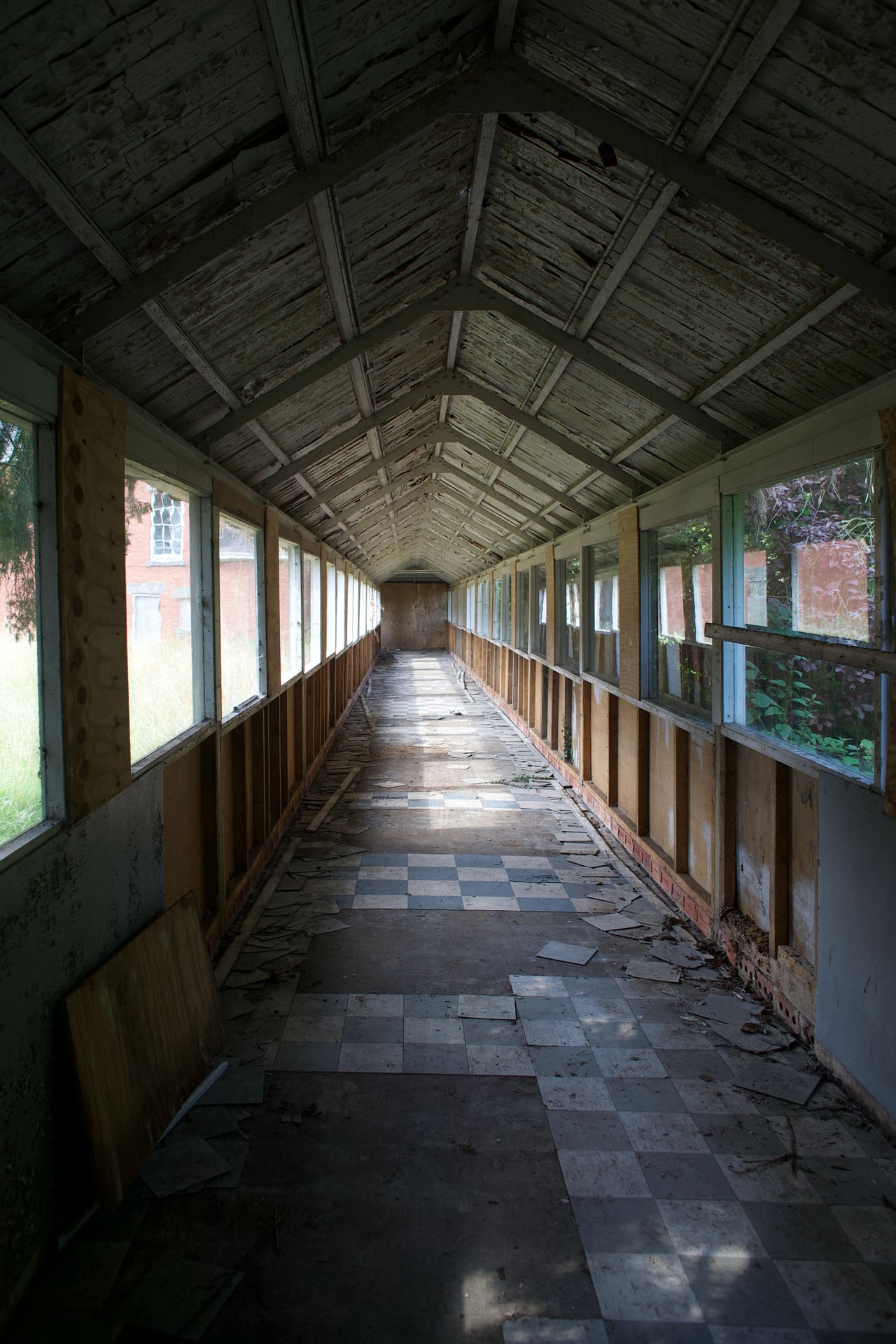
read: Robin Hood GardensThe West Riding’s asylum at Menston opened in 1888: a self-contained hospital with its own farm and railway, which held about 2,500 patients in 1958. It closed in 2003.
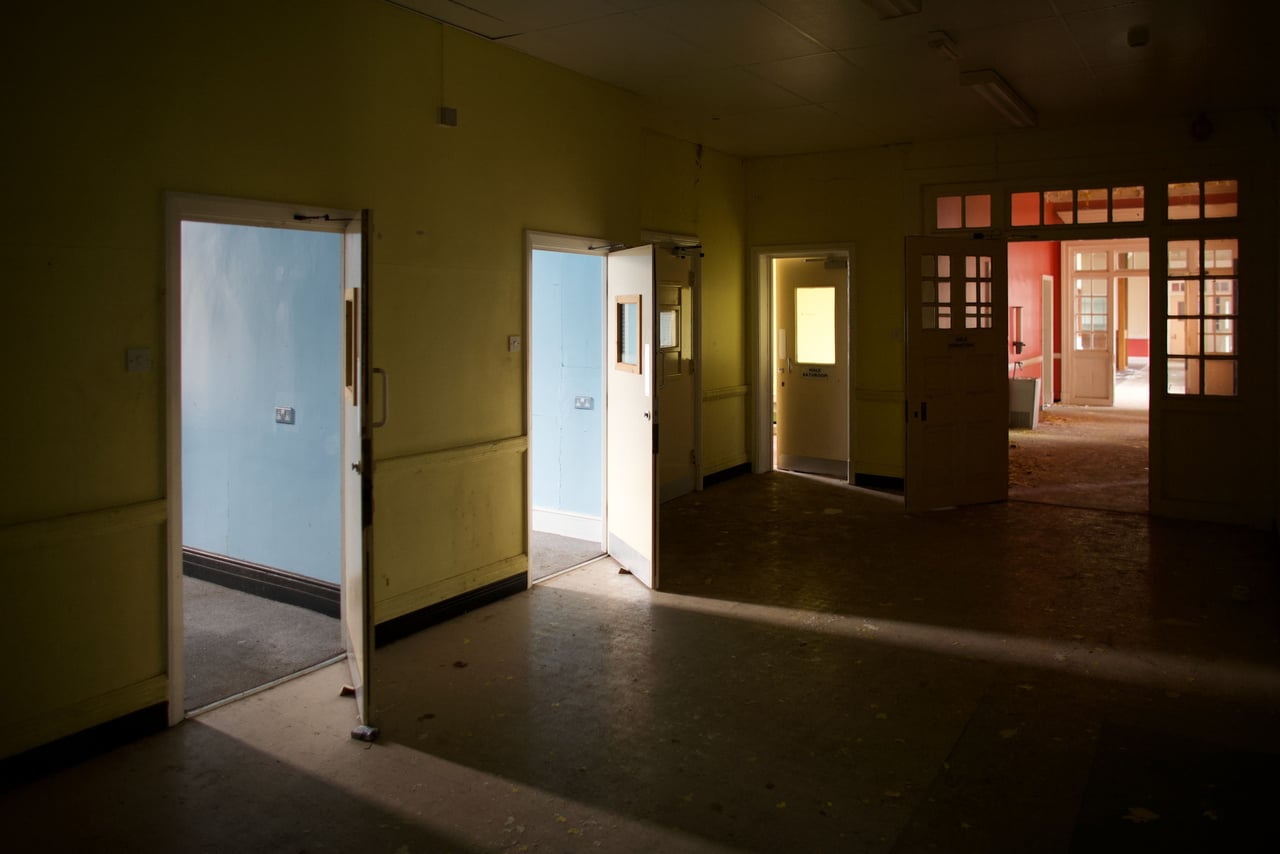
read: High RoydsWest Park opened in 1924 as the last of the London County Council's mental hospitals. Demolition was under way by September 2011.
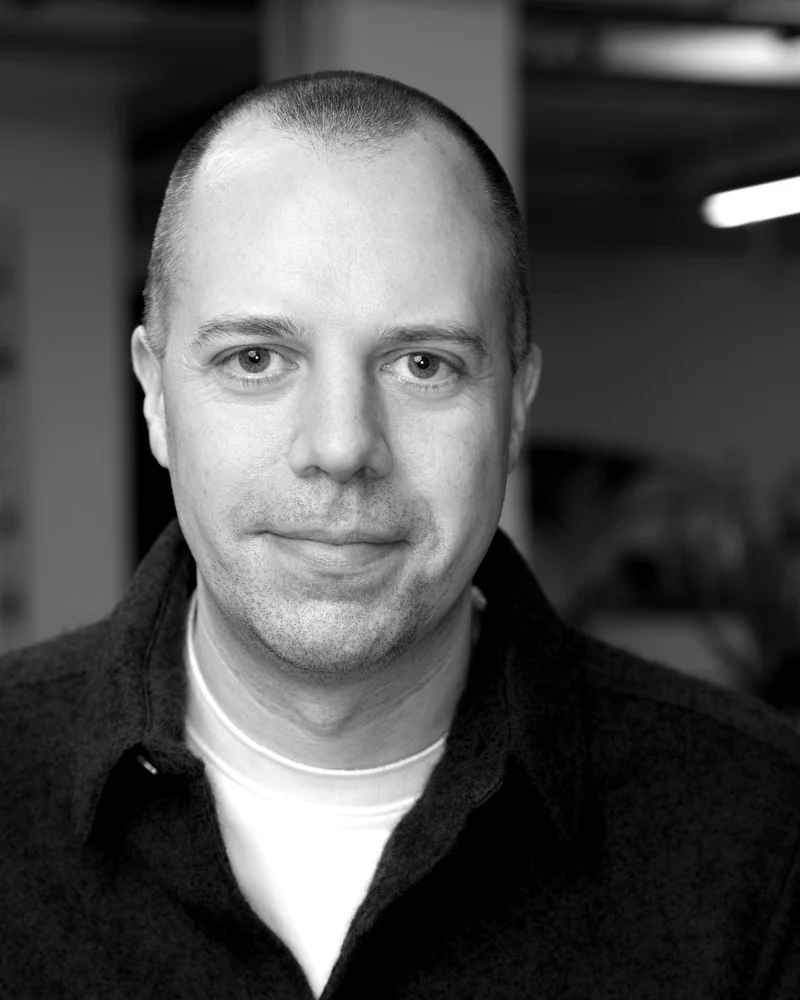
read: West ParkI'm from Leeds, and I trained in photography at Manchester Metropolitan University. Early on I wrote that a photograph “doesn’t explain it to you – it just shows you”, and for some years that was enough.
The MA in Photography and Urban Cultures at Goldsmiths changed my mind. It sat in the sociology department, and it taught me to use a photograph as a way into a subject, then to find out what the picture can’t tell me.
That is the method here. I photograph what became of places built for a better life, and put the records beside the photographs: who built each place, who decided its fate, and what followed.